
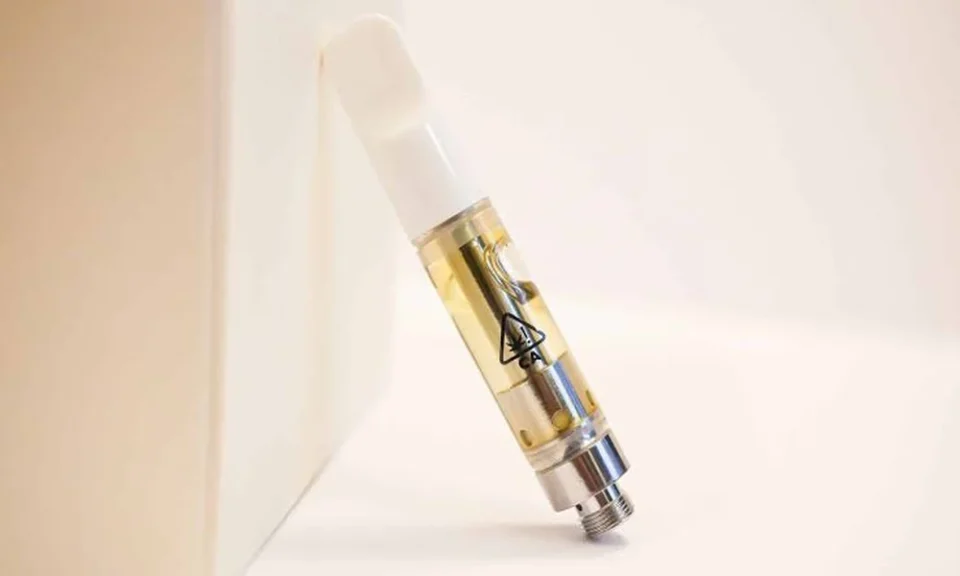
Solventless extraction relies on heat, pressure, water or agitation alone to pull cannabinoids from plant material, keeping chemical carriers out of the process entirely. Nothing needs to be introduced, and nothing needs to be purged afterwards, which keeps the finished oil closer to the plant’s original state from start to finish. This simplicity appeals strongly to buyers who read ingredient panels carefully and want the shortest possible path between flower and cartridge. Users comparing the best thca vapes often treat this distinction as the clearest dividing line between extract categories on the market today. Rosin production shows the method at its simplest, pressing the flower or hash between heated plates until oil flows out directly. Ice water separation takes a colder route, using temperature and gentle movement to break resin glands free before screens filter the material into a collectable form. Both paths reach concentrated oil through purely physical means, trading the efficiency of chemical processing for a product many consider truer to the source flower it originally came from.
Terpene preservation strengths
Aromatic compounds survive physical processing at higher rates because no carrier ever contacts them during extraction. Fuller flavour profiles follow naturally from this protection, carrying the source strain’s character into every single draw.
- Low-temperature pressing shields fragile terpenes that evaporate quickly whenever strong heat enters the process.
- Minimal handling between stages reduces the small losses that each transfer step normally introduces along the way.
- Fresh frozen starting material locks in the aroma that dried and aged flower gradually surrenders over time.
Together, these habits explain why solventless products often smell noticeably closer to a living flower than refined alternatives manage to achieve.
Texture and appearance traits
Solventless oil carries a distinct visual identity when placed beside refined alternatives. Rosin runs thicker and sometimes slightly cloudy, depending on source material and filtration level, while distillate appears glassy and transparent by comparison. Density affects hardware behaviour as well, since heavier oil moves through wicks slowly and occasionally asks for adjusted wattage to maintain even vapour across a session. Colour ranges from pale gold to deep amber, with lighter tones generally indicating fresher starting material and finer filtration during the collection stage of production. Some users actually prefer the fuller look of these extracts, reading the natural variation as a sign of minimal interference between plant and cartridge.
Production complexity realities
Fewer stages do not mean easier execution, and this reality surprises many people first learning about the category. Every batch depends on judgment calls that machinery cannot make on its own. Pressure, temperature and timing all demand precision through every batch, since small deviations shift both yield and final texture noticeably. Skilled producers develop consistency through repetition and careful sourcing rather than through equipment alone. Batch variation appears more often here than in heavily refined products, which some users read as authenticity, while others prefer the uniformity that deeper processing reliably delivers. Watching a producer maintain quality across seasons says more about their skill than any single impressive batch ever could.
Solventless methods stand apart through their steady commitment to physical separation, producing extracts that preserve terpene depth and genuine plant character in exchange for the extra care, patience and hands-on attention their production genuinely demands from everyone involved.
